Hybrid Office Cleaning Schedule: How to Clean Around Flexible Occupancy
Hybrid office cleaning schedule
Match Cleaning to Actual Office Use
A hybrid office may look quiet on Monday and operate near capacity on Tuesday. Static schedules can over-service empty areas while missing meeting rooms, shared desks and restrooms during peak attendance. The better approach uses occupancy patterns and inspections to place cleaning where demand occurs.
Quick Answer
A hybrid cleaning schedule should follow peak attendance, shared-space turnover and actual condition—not only square footage or a fixed weekday pattern.
Keep a stable baseline for restrooms, waste and floors, then add targeted service for busy days, meetings, events and shared workstations.
At a glance
Start with the occupancy pattern
Four Inputs That Shape a Hybrid Cleaning Schedule
A reliable plan combines building use with the condition standards the facility expects.
Peak Attendance Days
Identify when most employees, visitors and vendors are present.
Shared-Space Turnover
Track heavily used meeting rooms, desks, kitchens, restrooms and shared areas.
Baseline Facility Needs
Maintain waste, floors, entrances, restrooms and building requirements on low-occupancy days.
Events + Exceptions
Plan for training, client meetings, weather and schedule changes that shift demand.
Example—not a universal schedule
How Hybrid Office Cleaning Can Shift Across the Week
Use occupancy and inspection data to adapt this model. The right sequence varies by workplace.
| Office Pattern | Cleaning Emphasis | Possible Timing |
|---|---|---|
| Lower-occupancy day | Baseline restrooms, waste, floors and scheduled detail work. | After hours or reduced recurring coverage. |
| Peak attendance day | Restrooms, kitchens, waste, entrances and shared workstations. | Pre-open, daytime checks and/or evening service. |
| Heavy meeting day | Conference-room reset, touchpoints, waste and shared-space presentation. | Between meeting blocks or with daytime support. |
| Friday or low-use period | Periodic detail, inventory, floor or specialty work. | Scheduled when disruption is lowest. |
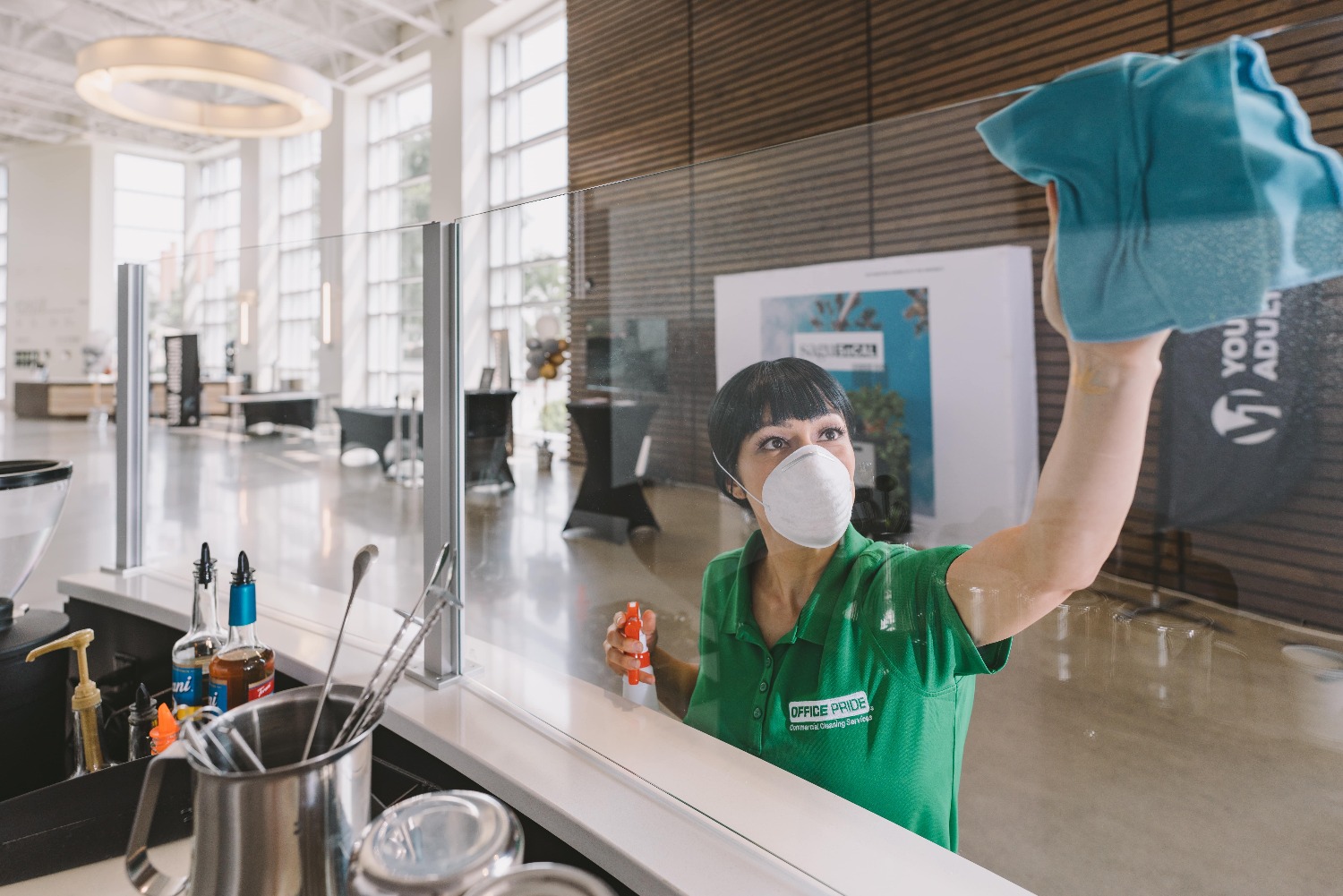
Hybrid offices need cleaning schedules that respond to occupancy waves and shared-space turnover.
Know when daytime service adds value
When Does a Hybrid Office Need Day Porter Support?
Daytime support can address conditions that develop long before the evening visit. It should supplement—not duplicate—the recurring day porter service.
Meeting Turnover
Reset high-use conference rooms, remove waste and correct visible conditions between groups.
Restroom Checks
Replenish supplies and correct issues during high-attendance periods.
Kitchen + Waste
Manage shared-space use, overflow and presentation during meal periods.
Entrances + Events
Respond to weather, deliveries, visitors and scheduled events.
Adaptive scheduling process
How to Build and Adjust a Hybrid Office Cleaning Plan
Map Occupancy
Document normal attendance by day, department, room and time window.
Set a Baseline
Protect essential recurring tasks that remain necessary regardless of attendance.
Add Peak-Day Coverage
Increase targeted service where shared spaces and traffic create measurable demand.
Review Inspection Data
Adjust after schedule changes, complaints, events or recurring over- or under-servicing patterns.
Common mistake
Do not cut the schedule only because fewer employees are assigned to the office.
Restrooms, entrances, dust, floor conditions, waste and visitor-facing standards can remain even when desk occupancy falls.
Practical next step
Compare the cleaning calendar with the workplace calendar.
Use attendance patterns, conference bookings and inspection results to test whether service timing matches real use.
Cleaning Around a Flexible Workweek?
Office Pride can help align recurring cleaning and daytime support with the way the office is actually occupied.
Frequently asked questions
Hybrid Cleaning FAQs
Use these answers to review flexible occupancy and service timing.
How often should a hybrid office be cleaned?
Frequency depends on peak attendance, operating hours, shared-space use, facility standards and the baseline tasks that remain necessary on low-occupancy days.
Should cleaning happen only on in-office days?
Not always. Periodic detail, floors, dusting, waste and preparation may be more efficient on lower-occupancy days.
What areas need the most attention in hybrid offices?
Restrooms, kitchens, entrances, conference rooms, hoteling desks and collaboration spaces typically receive the most shared use.
When does daytime cleaning make sense?
Daytime support can help when high-use rooms, restrooms, waste or entrances need attention before the evening service window.
Should shared desks be disinfected between users?
The facility should define its workstation policy, approved products and responsibility. The cleaning agreement should state timing and accessible surfaces.
How often should the schedule be reviewed?
Review after major occupancy changes and periodically using inspections, complaints, booking patterns and service results.
Align the cleaning plan with the real workweek
Build a Cleaning Schedule for Peak Days, Shared Spaces and Flexible Occupancy
Office Pride provides recurring commercial cleaning programs that can adapt to facility use and operating schedules.