
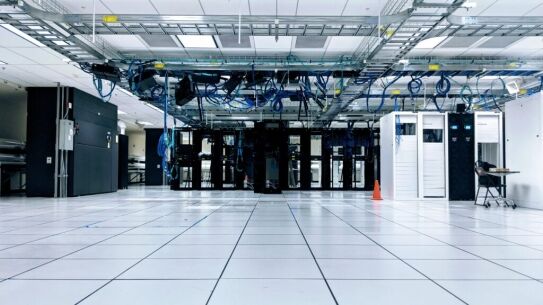
Data center modernization is essential for maintaining performance, scalability, and operational resilience. However, replacing server racks, upgrading cooling infrastructure, or expanding power distribution systems can introduce contamination risks that are frequently overlooked during project planning.
For data center operators throughout Richmond, Glen Allen, and Central Virginia, equipment upgrades create temporary vulnerabilities within otherwise controlled environments. Construction debris, airborne particulates, and disrupted airflow can compromise environmental conditions long after installation crews have completed their work.
Understanding these risks is critical to protecting sensitive infrastructure, maintaining uptime, and preventing avoidable maintenance costs.
How Equipment Upgrades Disrupt Controlled Environments
Unlike routine maintenance, infrastructure upgrades often involve opening equipment enclosures, removing floor panels, moving heavy components, and introducing outside materials into operational spaces.
These activities can disturb settled particulates and redistribute contaminants through sensitive areas.
Common contamination sources include:
- Raised-floor disturbances: Opening floor panels can release accumulated dust from subfloor spaces into equipment areas.
- Packaging materials: Cardboard, foam, and shipping materials can introduce fibers and particulate debris.
- Cable installation: Drilling, cutting, and cable management activities can generate fine dust and material fragments.
- HVAC modifications: Changes to cooling infrastructure may temporarily alter airflow patterns and particulate distribution.
- Contractor traffic: Increased personnel and equipment movement can transport contaminants between staging areas and controlled spaces.
Without appropriate containment and cleaning protocols, these activities can increase particulate exposure near critical IT infrastructure.
The Operational Cost of Overlooked Contamination
Contamination is more than a housekeeping concern. In mission-critical environments, particulate accumulation can contribute to equipment performance issues, interfere with cooling efficiency, and increase maintenance requirements.
For facility managers and data center operators, these conditions can create several operational challenges:
- Thermal management: Dust accumulation on air intakes and heat-transfer surfaces can restrict airflow and reduce cooling effectiveness.
- Equipment reliability: Certain contaminants, particularly conductive or corrosive particles, can increase the likelihood of component degradation.
- Maintenance expenditures: Additional inspections and equipment servicing can increase operational costs.
- Operational continuity: Poorly coordinated cleaning or remediation activities may introduce additional risk to active systems.
The financial implications extend beyond cleaning expenses. When environmental conditions threaten infrastructure reliability, the potential consequences can include service interruptions, increased maintenance demands, and diminished operational resilience.
Why Post-Upgrade Cleaning Alone Is Not Enough
A common oversight during infrastructure modernization is treating cleaning as a final project deliverable rather than an ongoing contamination-control requirement.
By the time equipment installation is complete, particulates may have migrated into difficult-to-access areas, including cable pathways, subfloor spaces, and equipment-adjacent surfaces.
A more effective strategy incorporates environmental controls throughout the upgrade lifecycle:
- Before installation: Assess existing conditions, identify contamination-sensitive areas, and establish cleaning and containment requirements.
- During equipment upgrades: Coordinate debris removal, control material movement, and address particulate accumulation before it spreads.
- After installation: Perform targeted cleaning and inspections before returning affected spaces to normal operating conditions.
This phased approach helps reduce environmental exposure while supporting smoother project transitions.
Integrating Specialized Cleaning Into Data Center Change Management
Data center equipment upgrades are typically governed by detailed change-management procedures, maintenance windows, and risk assessments. Environmental cleaning should be incorporated into those same operational frameworks.
For mission-critical facility teams, important considerations include:
- Scope coordination: Define cleaning responsibilities between contractors, facility personnel, and specialized service providers.
- Approved methodologies: Use facility-authorized equipment and procedures appropriate for sensitive electronic environments.
- Contamination containment: Establish controlled work zones and material-handling protocols to limit particulate migration.
- Quality assurance: Document completed cleaning activities and verify environmental conditions against facility-specific requirements.
- Operational scheduling: Align cleaning activities with maintenance windows and approved access procedures.
Where applicable, environmental management programs may reference industry guidance such as ASHRAE recommendations and ISO 14644 particulate classification principles. However, cleaning methods and acceptance criteria should always reflect the facility’s equipment specifications, operational requirements, and applicable standards.
Protecting Central Virginia’s Growing Digital Infrastructure
As Richmond, Glen Allen, and the broader Central Virginia region continue to support expanding technology and critical infrastructure operations, data center modernization will remain an important operational priority.
Yet infrastructure investments deliver their greatest value when facilities maintain the environmental conditions necessary to support long-term equipment performance.
For operators planning server replacements, cooling upgrades, or electrical infrastructure improvements, contamination prevention should be addressed before installation begins, not after problems emerge.
Office Pride of Richmond-Glen Allen understands that mission-critical facilities require a different approach to environmental maintenance. Through carefully coordinated commercial cleaning programs and facility-specific service planning, we help businesses address cleanliness requirements while respecting operational priorities.
Plan for Cleanliness Before Your Next Equipment Upgrade
Equipment modernization should improve operational reliability, not introduce unnecessary environmental risk.
Office Pride of Richmond-Glen Allen works with commercial facility decision-makers throughout the Richmond region to evaluate cleaning needs, establish appropriate service scopes, and support cleaner operating environments.
Contact Office Pride of Richmond-Glen Allen to discuss your facility’s cleaning requirements and how a coordinated maintenance strategy can support your next infrastructure project.


